Meditation Isn’t For Everyone and That’s Okay
If you've ever tried meditation and thought, "Why does everyone else seem to love this, but I just can't get into it?" you're not alone.
Meditation has become one of the most popular wellness practices, and for good reason. Many people find it calming, grounding, and helpful for managing stress. But somewhere along the way, the message shifted from "meditation can help" to "everyone should meditate."
The reality is much more nuanced.
Just because meditation works for someone else doesn't mean it's the best way for you to connect with yourself.
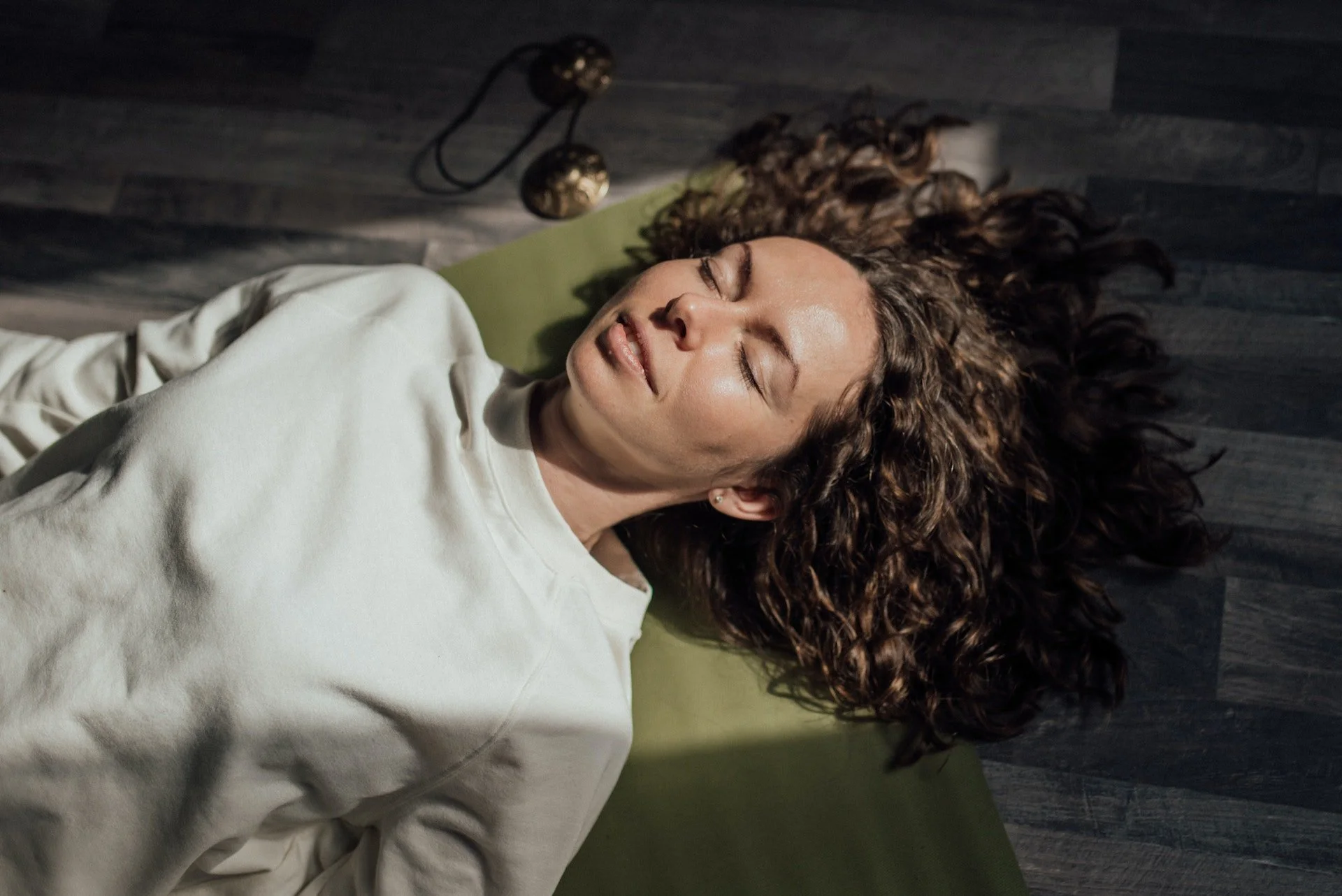
Your Nervous System Is Unique
We all experience stress, emotions, and the world around us differently. Some people feel calmer by sitting quietly and observing their thoughts. Others feel more anxious when they stop moving.
For some, closing their eyes and focusing inward can actually make racing thoughts louder or bring up emotions they weren't expecting. Others simply find meditation boring, frustrating, or impossible to stick with.
None of those experiences mean you're doing it wrong.
They simply mean your mind and body may respond better to a different approach.
Connecting With Your Body Doesn't Have to Look Like Meditation
One of the biggest misconceptions about mindfulness is that it only happens while sitting cross-legged in silence.
In reality, mindfulness is simply paying attention to what's happening in the present moment. There are countless ways to practice that.
Here are a few alternatives that many people find more natural:
Go for a Walk
Walking gives your brain something gentle to focus on while your body moves naturally. Notice your feet hitting the ground, the feeling of the breeze, or the sounds around you.
Movement can make being present feel much easier than sitting still.
Stretch Without a Goal
Instead of following a structured workout, spend five or ten minutes moving in ways that feel good.
Reach overhead. Roll your shoulders. Twist your spine. Notice where your body feels tight or relaxed.
The goal isn't flexibility—it's awareness.
Dance to One Song
Put on a favorite song and move however your body wants to move.
No choreography. No mirrors. No judgment.
Music often helps people reconnect with themselves in ways that silence never could.
Practice Breath Awareness While Doing Everyday Tasks
You don't need a meditation cushion.
Take a few slow breaths while washing dishes, waiting for your coffee to brew, watering plants, or standing in line.
Tiny moments of awareness throughout the day can be just as meaningful.
Try Progressive Muscle Relaxation
Slowly tense and relax different muscle groups from head to toe.
This simple practice can help you notice where you're holding tension and make it easier to let go.
Spend Time in Nature
Whether it's a local park, your backyard, or a nearby trail, being outdoors naturally encourages many people to slow down.
Pay attention to the colors, sounds, smells, and textures around you.
Nature often makes presence feel effortless.
Create Something
Painting, knitting, woodworking, baking, gardening, or playing an instrument can all become mindful experiences.
When you're fully immersed in creating, your attention naturally settles into the present moment.
Check In With Your Body
A few times throughout the day, pause for 30 seconds and ask yourself:
How does my body feel right now?
Am I holding tension anywhere?
Am I hungry, thirsty, tired, or overwhelmed?
What do I need in this moment?
You don't have to change anything immediately. Simply noticing is a powerful form of self-awareness.
There Isn't One Right Way
Wellness isn't about following a checklist of "good habits." It's about discovering what genuinely helps you feel grounded, energized, and connected.
For some people, that's meditation.
For others, it's hiking, lifting weights, swimming, journaling, gardening, yoga, crafting, or laughing with friends.
Your body doesn't care whether you're practicing the trendiest wellness technique. It responds to consistency, kindness, rest, movement, and attention.
Give Yourself Permission to Find Your Own Path
If meditation has never clicked for you, you don't have to force it.
You aren't missing some secret skill, and you don't need to keep trying something that consistently leaves you feeling frustrated.
Instead, get curious.
Notice what helps you feel more present. More relaxed. More connected to yourself.
That practice might involve stillness—or it might involve movement, creativity, music, or simply spending time outside.
The goal isn't to meditate.
The goal is to build a relationship with your body that feels supportive, sustainable, and authentic to you.
Because there are many ways to come home to yourself, and meditation is only one of them.